India is a destination where wellness, spirituality, culture, history, and adventure naturally come together. For travelers who want more than a conventional vacation, combining a yoga retreat with an Indian adventure can create a meaningful and unforgettable journey. Instead of spending your entire trip sightseeing or staying at a retreat center, you can balance peaceful yoga sessions with exploring ancient temples, mountain landscapes, local markets, traditional cuisine, and vibrant cultural experiences.
A well-planned journey allows you to return home feeling both refreshed and inspired. The key is to create an itinerary that gives you enough time to slow down while also leaving room for exploration. Whether you are a dedicated yoga practitioner or someone discovering yoga for the first time, India offers many ways to combine inner wellness with outdoor and cultural adventure.
Start With the Right Yoga Destination
The first step is choosing a location that supports both yoga and exploration. India has several destinations known for yoga, but each offers a different atmosphere.
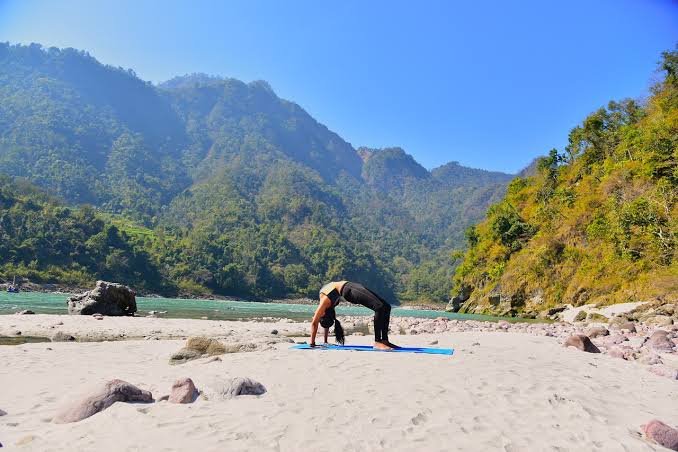
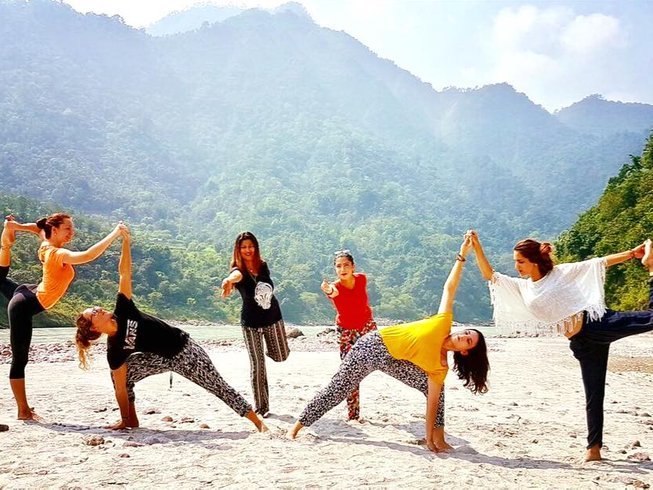
Rishikesh is one of the most popular choices for travelers interested in yoga and spiritual experiences. Located beside the Ganges and surrounded by the Himalayan foothills, the city provides opportunities for yoga classes, meditation, riverside walks, temple visits, and outdoor activities. It can be an excellent starting point for travelers who want a combination of wellness and adventure.
Kerala offers another type of experience. Known for its tropical scenery, backwaters, beaches, and traditional wellness practices, it is suitable for travelers who prefer a slower and more nature-focused journey. Rajasthan, meanwhile, can appeal to visitors who want to combine yoga with forts, palaces, colorful markets, and desert landscapes.
When choosing your destination, consider what type of adventure you want after your yoga sessions. Mountains, beaches, forests, heritage sites, and cultural experiences can all shape your itinerary differently.
Plan Your Yoga Retreat First
Although the adventure portion of the trip is exciting, your yoga retreat should remain the foundation of your journey. Decide whether you want a short wellness retreat or a longer immersive experience.
A retreat may include morning yoga, meditation, breathing exercises, relaxation sessions, workshops, and time for personal reflection. Some programs are structured around specific yoga traditions, while others offer a combination of practices designed for general wellness.
If you are planning to participate in an intensive program, avoid scheduling demanding sightseeing activities immediately after long yoga sessions. Your body may need time to rest, especially if you are practicing unfamiliar postures or spending several hours in classes each day.
Build Adventure Around Your Retreat
One of the easiest ways to combine yoga with travel is to treat the retreat as the calm center of your itinerary and place your adventures around it.
For example, you might spend four or five days at a yoga retreat before traveling to nearby attractions. This gives you time to settle into a slower rhythm before moving into a more active travel phase.
Another option is to practice yoga in the morning and explore in the afternoon. This works particularly well when your sightseeing plans are relatively relaxed. A sunrise yoga session can be followed by breakfast, a cultural tour, a visit to a local market, or a peaceful walk through the surrounding area.
Explore Local Culture
India’s cultural diversity makes it especially rewarding for travelers who want more than wellness activities. During your trip, make time to experience local traditions and everyday life.
Visit historical temples, traditional markets, museums, old neighborhoods, and cultural landmarks. Depending on your destination, you may encounter different architectural styles, languages, festivals, crafts, and culinary traditions.
In a place like Rishikesh, you can experience the spiritual atmosphere along the Ganges, attend an evening Ganga Aarti, explore temples, or simply sit beside the river and observe daily life.
Add an Outdoor Adventure
A yoga retreat does not have to mean spending your entire vacation indoors. India provides countless opportunities for outdoor activities.
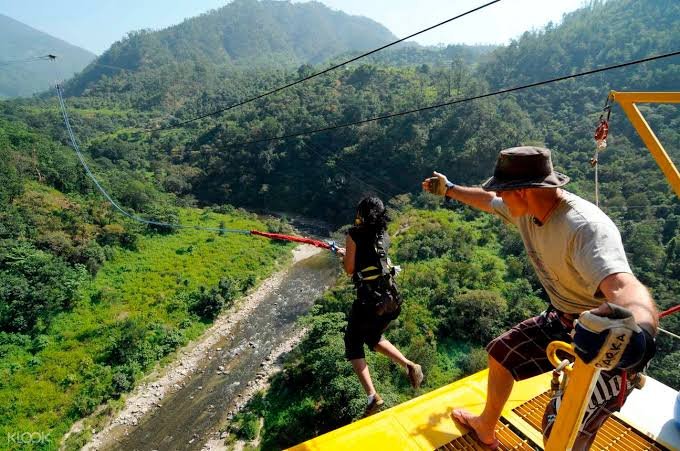
If you choose a Himalayan destination, consider adding activities such as hiking, nature walks, rafting, or mountain excursions, depending on your experience level and local conditions. Rishikesh, for instance, is well known for adventure activities along the Ganges and in the surrounding Himalayan foothills.
For a coastal trip, you might combine yoga with beach walks, kayaking, or exploring nearby natural areas. In other parts of India, travelers can experience wildlife safaris, desert excursions, cycling routes, or guided nature tours.
Experience Indian Food Mindfully
Food is another important part of an Indian adventure. Traditional Indian cuisine varies considerably from region to region, so use your trip as an opportunity to discover local flavors.
Many yoga retreats serve simple vegetarian meals, fresh fruits, grains, lentils, vegetables, and traditional preparations. Outside the retreat, you can explore regional cuisine and learn about the ingredients and cooking traditions that make each area unique.
Instead of treating food simply as something to consume between activities, approach meals as part of the travel experience. Try local dishes, visit traditional eateries, and learn about regional cooking styles.
Leave Space for Rest and Reflection
One of the biggest mistakes travelers make when combining wellness and adventure is overplanning. It is tempting to create a long list of places to visit, activities to experience, and photographs to take. However, constantly moving can undermine the peaceful experience you hoped to gain from the retreat.
Consider Adding a Yoga Teacher Training Experience
Travelers who want a deeper connection with yoga can consider extending their journey with a structured educational program. For those interested in developing their practice or learning how to teach, 500 hour yoga teacher training in rishikesh can provide an opportunity to study yoga in an environment strongly associated with its traditional practice.
However, teacher training is considerably more intensive than a casual retreat. Before choosing a program, consider the length, daily schedule, curriculum, accommodation, and physical demands. If your primary goal is relaxation and sightseeing, a shorter retreat may be more suitable. If your goal is education and deeper immersion, a teacher training course can become the central focus of your trip.
Create a Balanced Itinerary
A balanced itinerary might look something like this:
Days 1–2: Arrive, rest, explore the local area, and adjust to the environment.
Days 3–6: Focus on yoga, meditation, healthy meals, and personal relaxation.
Days 7–8: Add cultural experiences such as temples, markets, heritage sites, or local ceremonies.
Days 9–10: Enjoy an outdoor adventure or guided nature excursion.
Final day: Return to a slower pace, practice yoga, reflect on your journey, and prepare for departure.
This is only an example. Your ideal schedule will depend on your interests, fitness level, travel time, and the destination you choose.
Travel Responsibly
A meaningful Indian adventure should also respect the places and communities you visit. Dress appropriately when visiting religious sites, follow local customs, avoid unnecessary plastic waste, and choose responsible tour operators when participating in outdoor activities.
Supporting local businesses, eating at locally owned restaurants, purchasing authentic crafts, and using local guides can also make your trip more beneficial to the communities you visit.
Responsible travel fits naturally with the principles of mindful living. The goal is not simply to collect experiences but to engage with a destination respectfully.